

 Today: 22 September, Tuesday 06:53
in Luanda
Today: 22 September, Tuesday 06:53
in Luanda


Info about Angola
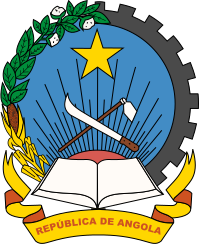
Official Name
Republic of Angola (República de Angola in Portuguese).
Location
Angola is a country located in Southern Africa, bordered by Namibia to the south, the Democratic Republic of the Congo to the north, Zambia to the east, and the Atlantic Ocean to the west.
Capital
The capital city of Angola is Luanda.
Population
Angola has a population of approximately 32 million people.
Languages
The official language of Angola is Portuguese, which was inherited from colonial rule. Additionally, there are numerous Bantu languages spoken by different ethnic groups, including Umbundu, Kimbundu, and Kikongo.
Ethnic Diversity
Angola is ethnically diverse, with the majority of the population belonging to various Bantu ethnic groups. The largest ethnic groups include the Ovimbundu, Kimbundu, and Bakongo.
Geography
Angola has a varied landscape that includes coastal plains, plateaus, mountains, and rivers. The country is known for its natural resources, including oil, diamonds, and minerals. The Zambezi River forms part of Angola's eastern border, and the country also has a coastline along the Atlantic Ocean.
Economy
Angola has a mixed economy, with oil production dominating its exports and government revenue. The country also has significant diamond mining operations and other natural resources. However, Angola faces challenges such as high poverty rates, inequality, and a lack of infrastructure in many areas.
Currency
The currency of Angola is the Angolan Kwanza (AOA).
Government
Angola is a presidential republic with a multi-party political system. The President of Angola is both the head of state and the head of government. The country's government is divided into executive, legislative, and judicial branches.
Culture
Angola has a rich cultural heritage influenced by its diverse ethnic groups and history of colonization. Traditional music, dance, and art play important roles in Angolan culture. The country also has a vibrant literary scene, with authors such as Pepetela and José Eduardo Agualusa gaining international recognition.
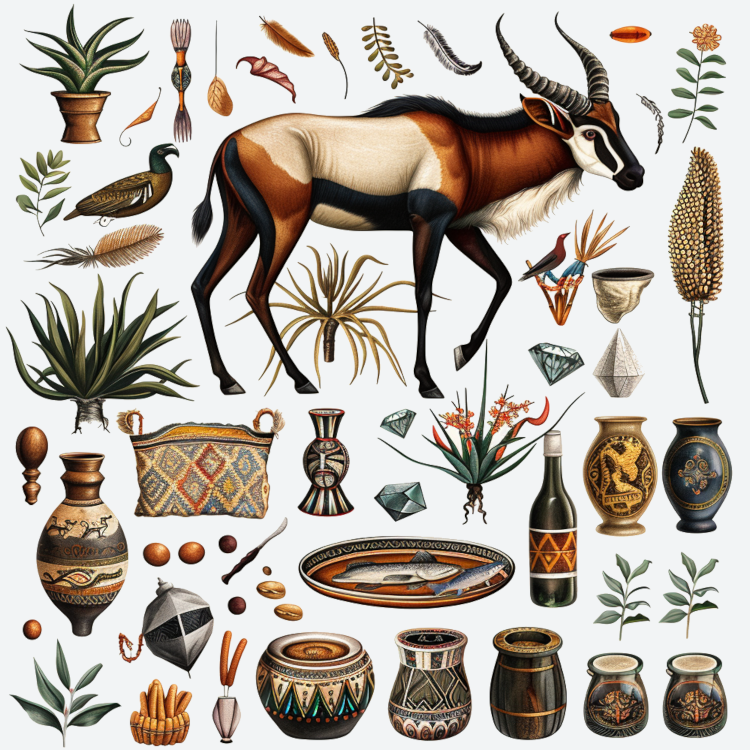
National Items of Angola
Giant Sable Antelope
The Giant Sable Antelope (Hippotragus niger variani) is the national animal of Angola. Known for its majestic horns and rarity, it symbolizes strength, resilience, and the rich wildlife heritage of Angola.
Welwitschia
Welwitschia mirabilis, a unique plant found in the Namib Desert, is a national symbol of Angola. It represents endurance, uniqueness, and the natural heritage of the country.
Mufete
Mufete is a traditional Angolan dish made from grilled fish, beans, and cassava. It symbolizes the rich culinary heritage and the importance of local ingredients in Angolan cuisine.
Kizomba
Kizomba is a popular music and dance genre that originated in Angola. It symbolizes cultural identity, artistic expression, and the vibrant music scene of the country.
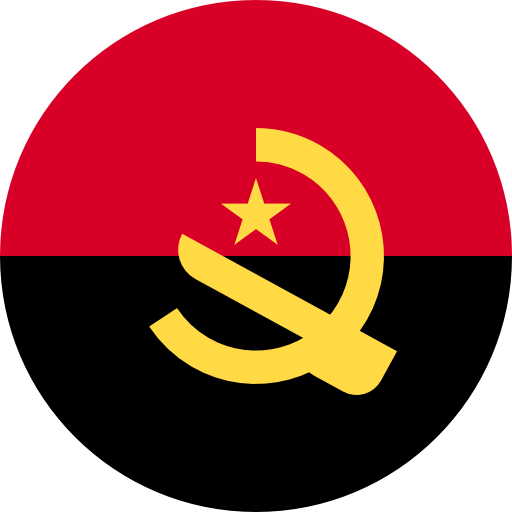
Black and Red Flag
While not to be included in visual representations according to the criteria, the black and red flag with a machete and cogwheel represents the struggle for independence and the industrial and agricultural workers of Angola.
Cultural Masks
Traditional Angolan masks are used in various ceremonies and rituals. They symbolize the rich cultural heritage, artistry, and spiritual beliefs of different ethnic groups in Angola.
Angolan Coffee
Angolan Coffee is known for its high quality and rich flavor. It symbolizes the agricultural heritage and economic importance of coffee cultivation in Angola.
Baobab Tree
The Baobab Tree (Adansonia) is significant in Angolan culture and ecology. It symbolizes longevity, strength, and the natural beauty of the Angolan landscape.
Tundavala Gap
The Tundavala Gap is a natural landmark with stunning cliffs and views. It symbolizes the natural beauty and geological significance of Angola.
Muzongué
Muzongué is a traditional Angolan dance and music genre, particularly from the Kimbundu-speaking people. It represents cultural heritage, artistic expression, and traditional celebrations.
Cacimbo
Cacimbo is the dry season in Angola, characterized by cool weather and a foggy atmosphere. It symbolizes the climatic uniqueness and seasonal changes in Angola.
Mbunda Drums
The Mbunda Drums are traditional musical instruments used in various cultural and religious ceremonies. They symbolize the rich musical heritage and cultural traditions of Angola.
Luanda Bay
Luanda Bay is an iconic coastal area in the capital city. It symbolizes the maritime heritage, urban development, and scenic beauty of Angola.
Diamonds
Angola is known for its diamond mines. Diamonds symbolize the country's rich natural resources, economic potential, and the mining industry.
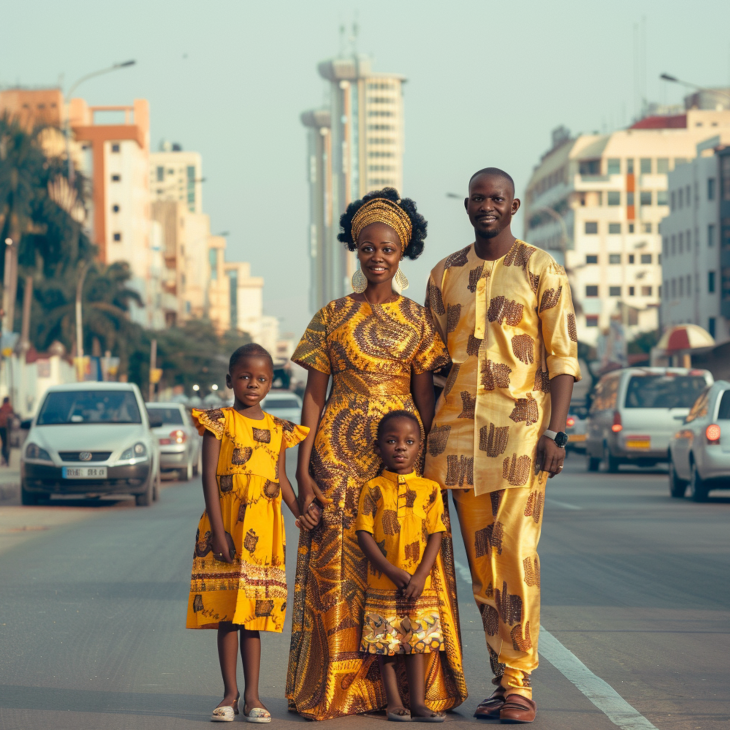
The national anthem of Angola is called "Angola Avante" in Portuguese. Here are the lyrics in Portuguese and their English translation:
Angola, avante!
Revolta com o jugo lançado,
Do colonialismo tirano,
Cumprindo o dever sagrado
De lutar pela paz,
Pela Independência e pelo povo,
Cresce o combate ao imperialismo,
Pela Pátria em que nascemos felizes.
Angola, forward!
Revolt against the tyrant colonialism,
With the yoke thrown off,
Fulfilling the sacred duty
To fight for peace,
For independence, and for the people,
The fight against imperialism grows,
For the homeland where we were born happy.
We use cookies
We use cookies and other tracking technologies to improve your browsing experience on our website, to show you personalized content and targeted ads, to analyze our website traffic, and to understand where our visitors are coming from. Privacy Policy.






 Back
Back