

 Today: 23 October, Friday 11:04
in Gitega
Today: 23 October, Friday 11:04
in Gitega


Info about Burundi
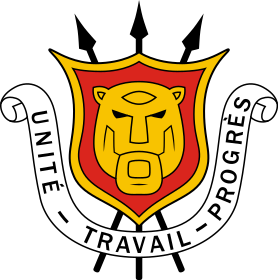
Official Name
The Republic of Burundi (République du Burundi in French).
Location
Burundi is a landlocked country located in the African Great Lakes region of East Africa. It is bordered by Rwanda to the north, Tanzania to the east and south, and the Democratic Republic of the Congo to the west.
Capital
The capital city of Burundi is Gitega, although Bujumbura is the largest city and serves as the economic and administrative center.
Population
Burundi has a population of approximately 11.5 million people.
Languages
The official languages of Burundi are Kirundi and French. Kirundi is the most widely spoken language, while French is used in government and education.
Ethnic Diversity
Burundi is inhabited by Hutu, Tutsi, and Twa ethnic groups, with Hutu being the largest ethnic group.
Geography
Burundi is characterized by rolling hills, mountains, and plateaus. It is part of the African Great Lakes region and is bordered by Lake Tanganyika, one of the largest freshwater lakes in the world.
Economy
Burundi is one of the poorest countries in the world, with agriculture being the mainstay of the economy. Key crops include coffee, tea, cotton, and maize. The country also has mineral resources such as nickel and uranium, although these are largely undeveloped.
Currency
The currency of Burundi is the Burundian Franc (BIF).
Government
Burundi is a presidential republic with a multi-party political system. The President of Burundi is both the head of state and the head of government. The country's government is divided into executive, legislative, and judicial branches.
Culture
Burundian culture is influenced by its diverse ethnic groups and history. Traditional music, dance, and drumming are important aspects of Burundian culture, with the drum known as the "karyenda" holding symbolic significance. The country also has a rich oral tradition and is known for its traditional storytelling.
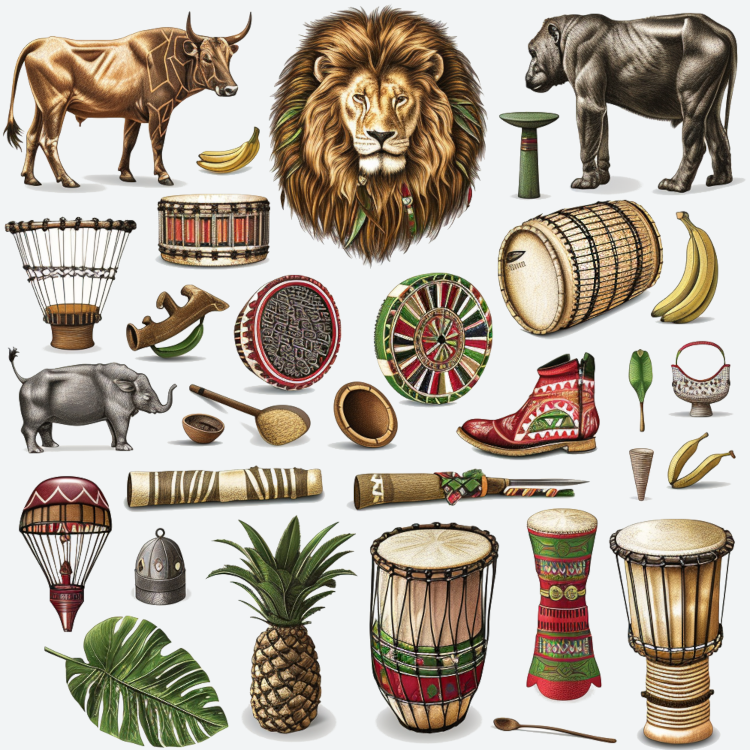
National Items of Burundi
Lion
The Lion (Panthera Leo) is a significant symbol in Burundi, representing strength, courage, and the rich wildlife heritage of the country.
Burundi Drums
Traditional Burundian drums, especially those used in the Royal Drummers of Burundi, symbolize the rich musical heritage, cultural traditions, and social ceremonies of the country.
Coffee
Coffee is a major agricultural product in Burundi, known for its high quality. It symbolizes the country's agricultural heritage, economic importance, and global trade connections.
Banana
The banana is a staple food and a significant crop in Burundi. It symbolizes sustenance, agricultural heritage, and the culinary traditions of the country.
Imigongo Art
Imigongo is a traditional Burundian art form that uses cow dung to create geometric patterns. It symbolizes the rich artisanal heritage, creativity, and cultural identity of Burundi.
Lake Tanganyika
Lake Tanganyika, one of the world's largest and deepest freshwater lakes, symbolizes the natural beauty, biodiversity, and geographical significance of Burundi.
Burundian Traditional Dance
Traditional dance in Burundi, characterized by energetic and rhythmic movements, symbolizes the cultural heritage, artistic expression, and social cohesion of the Burundian people.
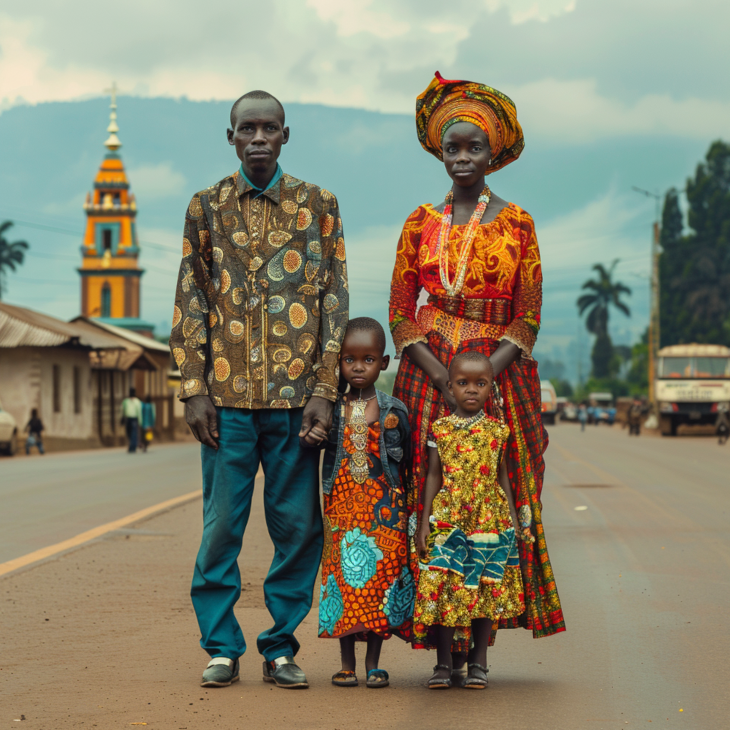
Burundian Traditional Dress
Traditional Burundian dress, often colorful and intricately designed, symbolizes the cultural heritage, identity, and traditional fashion of the Burundian people.
Sorghum
Sorghum is a significant crop in Burundi, used in various traditional foods and beverages. It symbolizes the agricultural heritage and the importance of farming in the country's economy.
Cassava
Cassava is another staple crop in Burundi. It symbolizes sustenance, agricultural practices, and the culinary traditions of the country.
Kirundi Language
Kirundi is the national language of Burundi. It symbolizes the linguistic heritage, cultural identity, and social cohesion of the Burundian people.
Intore Warriors
The Intore warriors, known for their traditional dance and combat skills, symbolize bravery, cultural heritage, and historical significance in Burundi.
Rugamba, the Cultural Hero
Rugamba is a cultural hero in Burundian folklore, symbolizing wisdom, leadership, and the cultural heritage of the country.
Burundian Cattle (Ankole-Watusi)
The Ankole-Watusi cattle, known for their large horns, symbolize wealth, agricultural heritage, and the traditional livelihood of the Burundian people.
Mountain Gorillas
The Mountain Gorillas, found in the forests of Burundi, symbolize the rich biodiversity and the importance of wildlife conservation in the country.
The national anthem of Burundi is called "Burundi Bwacu" in Kirundi. Here are the lyrics in Kirundi and their English translation:
Burundi bwacu, Burundi buhire,
Shinga icumu mu mashinga,
Gaba intahe y' ubugabo ku bugingo.
Warapfunywe ntiwapfuye,
Agahinda k' u Burundi twifuza,
Intahe yo kw' isi yose.
Our Burundi, land of great mountains,
Let us raise our heads with courage,
We vow to thee forever.
Your neighbor will not be an enemy,
But a brother.
Let us be united, let us love each other,
Oh, country of ours, so desirable.
We use cookies
We use cookies and other tracking technologies to improve your browsing experience on our website, to show you personalized content and targeted ads, to analyze our website traffic, and to understand where our visitors are coming from. Privacy Policy.







 Back
Back