

 Today: 25 October, Sunday 11:00
in Porto-Novo
Today: 25 October, Sunday 11:00
in Porto-Novo


Info about Benin
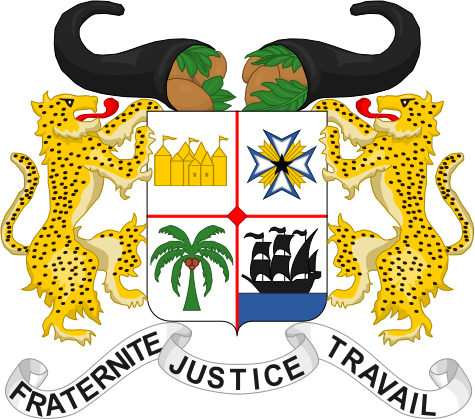
Official Name
The Republic of Benin (République du Bénin in French).
Location
Benin is a country located in West Africa, bordered by Togo to the west, Nigeria to the east, Burkina Faso and Niger to the north, and the Atlantic Ocean to the south.
Capital
The capital city of Benin is Porto-Novo, but the largest city and economic center is Cotonou.
Population
Benin has a population of approximately 12.1 million people.
Languages
The official language of Benin is French. However, there are also several indigenous languages spoken throughout the country, including Fon, Yoruba, and Goun.
Ethnic Diversity
Benin is home to a diverse range of ethnic groups, with the Fon, Yoruba, and Adja ethnic groups being the largest. There are also smaller ethnic groups such as the Bariba, Fulani, and Dendi.
Geography
Benin has a varied landscape, including coastal plains, plateaus, and low mountains in the north. The country's coastline stretches along the Gulf of Guinea in the south.
Economy
Benin has a predominantly agricultural economy, with key crops including cotton, maize, cassava, and yams. The country also has significant tourism potential, with attractions such as the historic city of Ouidah and Pendjari National Park.
Currency
The currency of Benin is the West African CFA franc (XOF).
Government
Benin is a democratic republic with a multi-party political system. The President of Benin is both the head of state and the head of government. The country's government is divided into executive, legislative, and judicial branches.
Culture
Benin has a rich cultural heritage influenced by its diverse ethnic groups and history. Traditional music, dance, and art are important aspects of Beninese culture, with festivals such as the Vodoun Festival celebrated throughout the country.
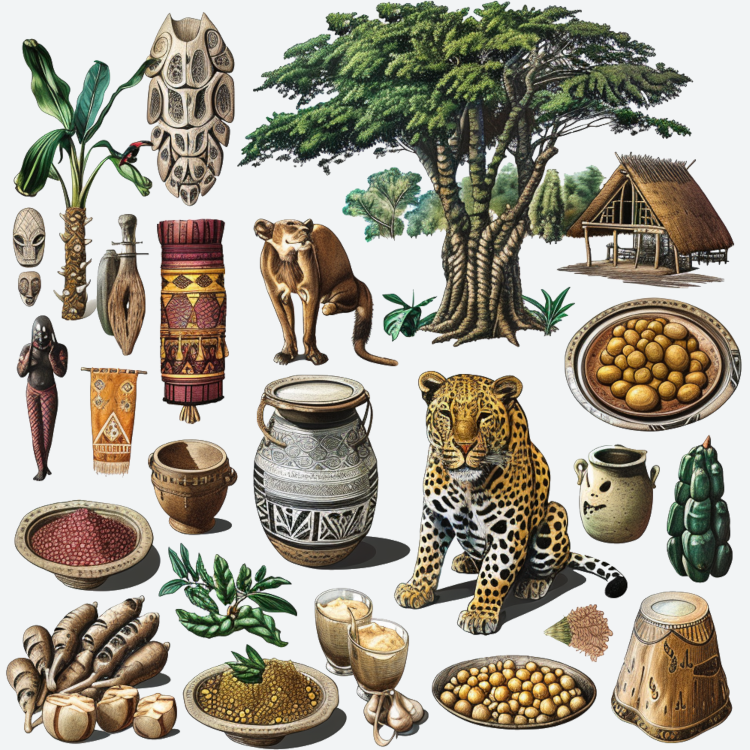
National Items of Benin
Leopard
The Leopard (Panthera pardus) is a significant symbol in Benin, representing strength, agility, and the rich wildlife heritage of the country. It also holds cultural significance in various traditional practices and beliefs.
Ebony Tree
The Ebony Tree (Diospyros) is considered an important natural symbol in Benin. It represents durability, beauty, and the country's diverse forest ecosystems.
Yovo Doko
Yovo Doko is a traditional Beninese dish made from yams and often served with sauce. It symbolizes the rich culinary heritage and the importance of agriculture in Benin.
Vodun (Voodoo)
Vodun, often known as Voodoo, is a traditional religion originating from Benin. It symbolizes the cultural and spiritual heritage, with numerous festivals and ceremonies celebrated throughout the country.
Somba Architecture
Somba Architecture, particularly the Tata Somba houses, symbolizes the unique architectural heritage of the Somba people in northern Benin. These fortress-like houses represent traditional building techniques and cultural identity.
Beninese Fabric
Beninese fabric, known for its vibrant colors and patterns, symbolizes the rich artisanal heritage and cultural identity of the country. It is often used in traditional clothing and ceremonies.
Ganvie Lake Village
Ganvie Lake Village, often called the "Venice of Africa," represents the unique cultural and historical significance of Benin. Built on stilts over Lake Nokoué, it symbolizes resilience and the ingenuity of the Tofinu people.
Beninese Mask
Traditional Beninese masks are used in various cultural ceremonies and dances. They symbolize the rich cultural heritage, artistry, and spiritual beliefs of the different ethnic groups in Benin.
Shea Tree
The Shea Tree (Vitellaria paradoxa) is important in Benin for its economic and cultural value. It symbolizes the country's agricultural heritage and the importance of shea butter production.
Lion
The Lion is another significant symbol in Benin, representing courage, strength, and the rich biodiversity of the country.
Amazons of Dahomey
The Amazons of Dahomey, an all-female military regiment, symbolize the rich historical and cultural heritage of Benin. They represent bravery, strength, and the legacy of the Kingdom of Dahomey.
Agouto Drum
The Agouto Drum is a traditional musical instrument in Benin, symbolizing the rich musical heritage and cultural traditions of the country.
Porto-Novo
Porto-Novo, the capital city of Benin, symbolizes the country's colonial history, architectural beauty, and cultural diversity.
Palm Oil
Palm Oil production is significant in Benin, symbolizing the country's agricultural economy and traditional culinary practices.
Pendjari National Park
Pendjari National Park is a significant natural landmark in Benin, representing the country's commitment to wildlife conservation and natural beauty.
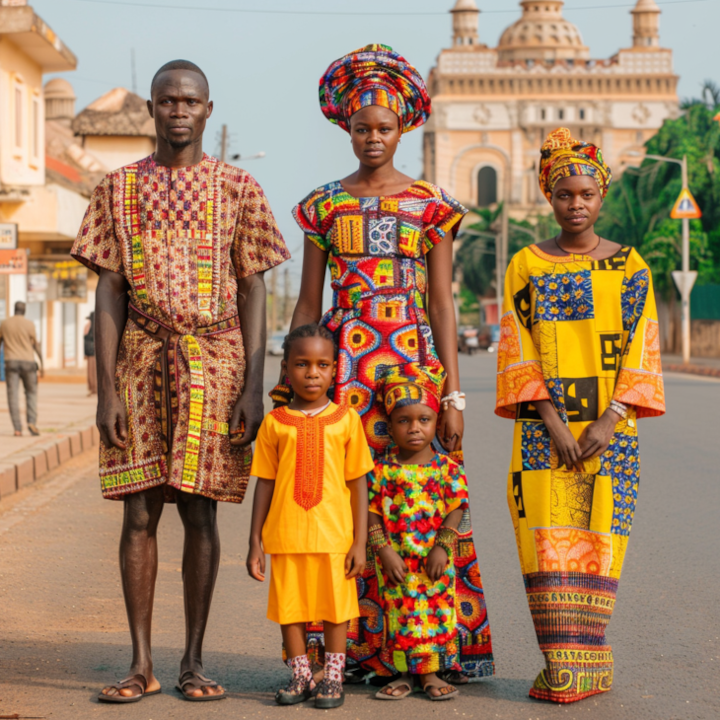
The national anthem of Benin is called "L'Aube Nouvelle" in French. Here are the lyrics in French and their English translation:
L’aube nouvelle sur notre ancienne terre,
Aujourd’hui déjà, demain hier,
A sa clarté naissante,
A son soleil couchant,
Marchons unis, dans l’effort et la concorde,
Egalité, justice, travaillons sans répit.
Chantons la naissance,
Du jour glorieux
Chantons sa renaissance,
A notre éternel refrain.
Que les monts déserts et les mers,
Chantent, à l’unisson,
Ce refrain de liberté.
The new dawn on our old land,
Today already, tomorrow yesterday,
With its nascent brightness,
With its setting sun,
Let us march united, in effort and harmony,
Equality, justice, let us work tirelessly.
Let us sing the birth,
Of the glorious day
Let us sing its rebirth,
To our eternal refrain.
May the barren mountains and the seas,
Sing, in unison,
This refrain of freedom.
We use cookies
We use cookies and other tracking technologies to improve your browsing experience on our website, to show you personalized content and targeted ads, to analyze our website traffic, and to understand where our visitors are coming from. Privacy Policy.






 Back
Back