

 Today: 28 May, Thursday 00:58
in Nuuk
Today: 28 May, Thursday 00:58
in Nuuk


Info about Greenland
Location
Greenland is an autonomous territory within the Kingdom of Denmark, located in the North Atlantic Ocean. It is geographically part of North America but politically associated with Europe.
Capital
The capital city of Greenland is Nuuk, which is also the largest city in the territory.
Population
As of the latest estimates, Greenland has a population of approximately 56,000 people.
Area
Greenland is the world's largest island, covering a total area of about 2,166,086 square kilometers (836,330 square miles). Despite its vast size, much of Greenland is covered by ice.
Government
Greenland is an autonomous territory within the Kingdom of Denmark. It has its government and parliament responsible for most domestic affairs, while Denmark handles defense and foreign affairs.
Language
The official language of Greenland is Greenlandic, also known as Kalaallisut. Danish is also widely spoken, especially in official and educational settings.
Economy
Greenland's economy is primarily based on fishing, mining, and tourism. The fishing industry is particularly significant, with fish products accounting for a large portion of exports. Additionally, Greenland has vast mineral resources, including rare earth minerals, which have become increasingly important for its economy. Tourism is also growing, with visitors attracted to Greenland's stunning natural landscapes, including glaciers, fjords, and wildlife.
Culture
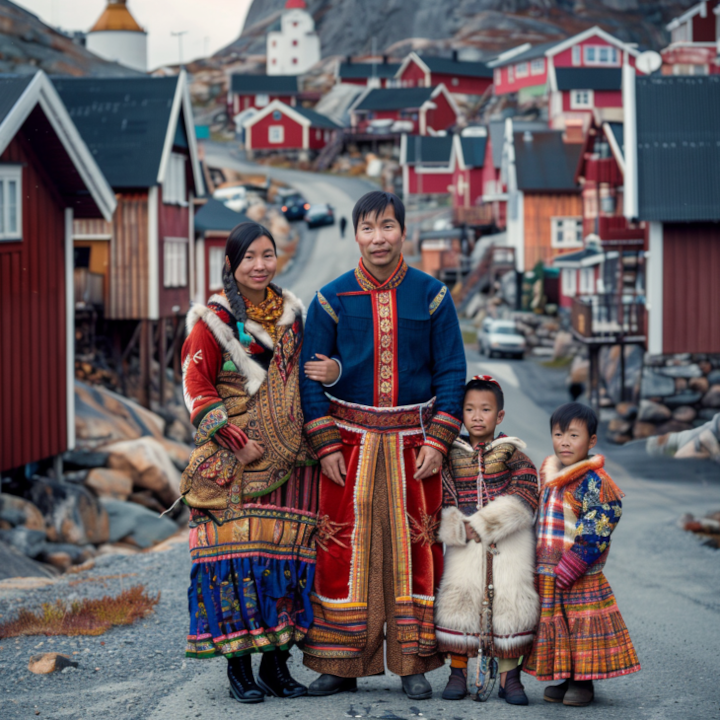
Greenland has a rich cultural heritage, influenced by its indigenous Inuit population. Traditional practices such as hunting, fishing, and dog sledding remain important parts of Greenlandic culture. In addition to traditional activities, Greenlandic arts and crafts, such as soapstone carving and traditional drum dancing, are also cherished cultural expressions.
Environment
Greenland is known for its vast ice sheet, which covers about 80% of the island's surface. The ice sheet plays a crucial role in regulating global climate and sea levels. However, Greenland is also experiencing the effects of climate change, with rising temperatures leading to melting ice and changes in local ecosystems.
Challenges
Greenland faces challenges related to climate change, economic development, and social issues. While the melting ice presents economic opportunities, such as increased access to mineral resources and shipping routes, it also poses risks to the environment and traditional ways of life. Additionally, Greenland faces social issues such as unemployment, substance abuse, and mental health issues, which are exacerbated by its remote location and harsh climate.
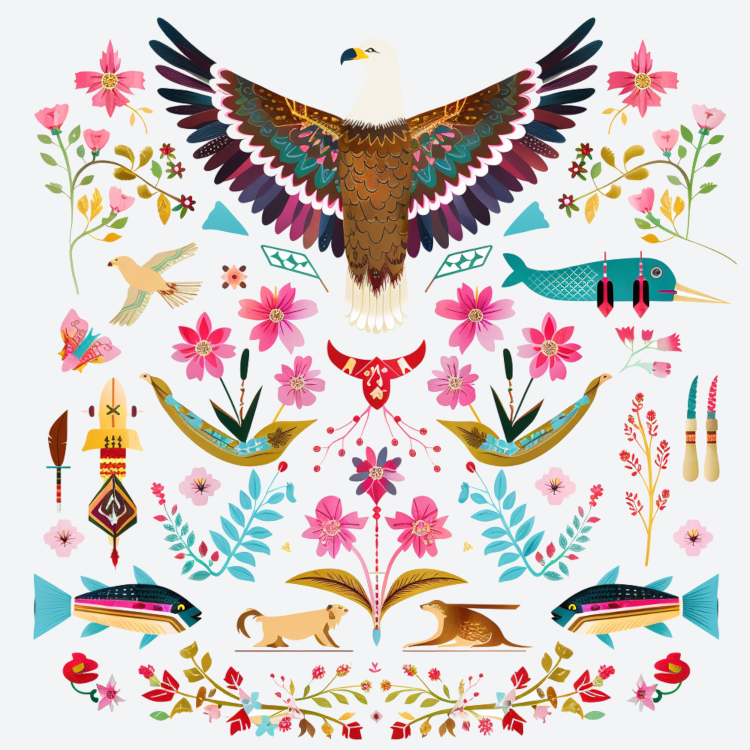
National Items of Greenland
White-tailed Eagle
The White-tailed Eagle (Haliaeetus albicilla) is a significant bird in Greenland. Known for its impressive size and majestic appearance, it symbolizes freedom, power, and the rugged beauty of Greenland's natural landscapes.
Niviarsiaq (Dwarf Fireweed)
The Niviarsiaq (Chamerion latifolium), also known as Dwarf Fireweed, is the national flower of Greenland. Its vibrant pink blossoms represent the resilience and beauty of Greenland's flora, thriving in the harsh Arctic environment.
Kalaallisut (Greenlandic Inuit Drum Dance)
The Greenlandic Inuit drum dance, or "Katutjat," is a traditional form of music and dance. It symbolizes the rich cultural heritage and communal spirit of the Greenlandic Inuit people.
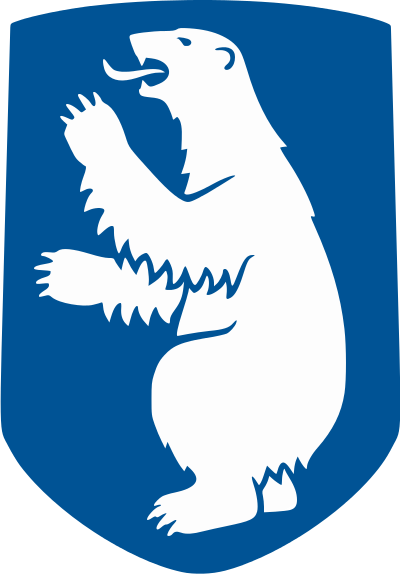
Polar Bear
The Polar Bear (Ursus maritimus) is an iconic animal in Greenland, representing the Arctic wildlife and the natural environment. It symbolizes strength, resilience, and the challenges of life in the Arctic.
Kayak
The kayak is a traditional Greenlandic hunting vessel used by the Inuit people. It represents the ingenuity, adaptability, and deep connection to the sea that characterizes Greenlandic culture.
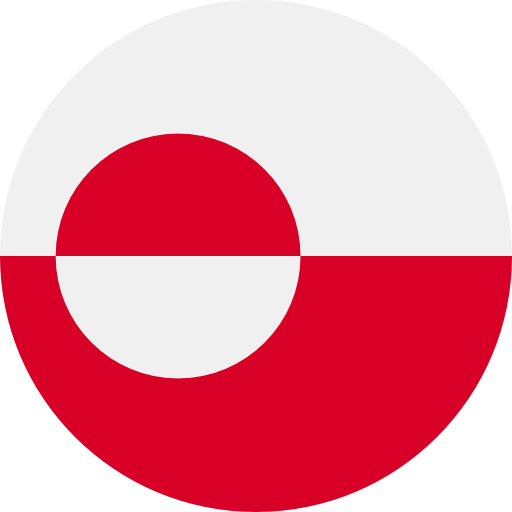
Kalaallit Nunaat Flag
The flag of Greenland, known as the Erfalasorput ("Our Flag"), features a red and white design with a circle. It symbolizes the nation's identity, cultural pride, and the unity of the people.
Tupilak
A Tupilak is a traditional Greenlandic figurine carved from bone, wood, or stone, often representing spirits or mythical creatures. It symbolizes the artistic traditions and spiritual beliefs of the Greenlandic Inuit.
Ammassalik Art
Ammassalik art, including intricate beadwork and carvings, represents the artistic heritage and craftsmanship of the people in the Ammassalik region of Greenland.
Narwhal
The Narwhal (Monodon monoceros) is a unique Arctic whale known for its long, spiral tusk. It symbolizes the rich marine biodiversity and the cultural significance of marine animals in Greenlandic life.
Sled Dog
Greenlandic sled dogs are essential for transportation and hunting in the Arctic environment. They symbolize the traditional ways of life, resilience, and the close relationship between the people and their environment.
This anthem reflects the pride and connection of the Greenlandic people to their land and heritage.Greenland is an autonomous territory within the Kingdom of Denmark and does not have its own national anthem. However, Greenland does have a territorial anthem called "Nunarput utoqqarsuanngoravit" which translates to "Our Country, Who's Become So Old" in English. Here are the lyrics in Greenlandic along with an English translation:
Nunarput, utoqqarsuanngoravit
Nunarsuarmi katersugaasivara
Inuit Nuna, toqqagaaqqatigiittuni
unga katersugaasivara.
We use cookies
We use cookies and other tracking technologies to improve your browsing experience on our website, to show you personalized content and targeted ads, to analyze our website traffic, and to understand where our visitors are coming from. Privacy Policy.






 Back
Back