

 Today: 21 September, Monday 01:51
in Malabo
Today: 21 September, Monday 01:51
in Malabo


Info about Equatorial Guinea
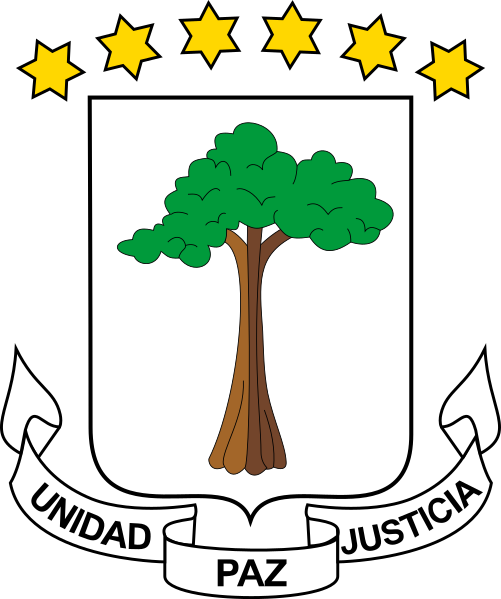
Location
Equatorial Guinea is a country located on the west coast of Central Africa, bordered by Cameroon to the north and Gabon to the east and south. It also has a coastline along the Atlantic Ocean to the west.
Capital
The capital city of Equatorial Guinea is Malabo, located on the island of Bioko. The largest city and main port is Bata, located on the mainland.
Population
As of the latest estimates, Equatorial Guinea has a population of approximately 1.4 million people.
Area
Equatorial Guinea covers a total land area of about 28,051 square kilometers (10,831 square miles).
Official Languages
The official languages of Equatorial Guinea are Spanish, French, and Portuguese, with Spanish being the most widely spoken language.
Government
Equatorial Guinea is a presidential republic with a dominant-party system. The President of Equatorial Guinea serves as both the head of state and government. The country has been ruled by President Teodoro Obiang Nguema Mbasogo since 1979.
Independence
Equatorial Guinea gained independence from Spain on October 12, 1968.
Economy
Equatorial Guinea has one of the highest per capita GDPs in Africa, primarily due to its significant oil reserves. Oil exports account for the majority of the country's export earnings and government revenues. However, despite its wealth, Equatorial Guinea faces challenges such as widespread poverty, income inequality, and lack of infrastructure development.
Natural Resources
Equatorial Guinea is rich in natural resources, including oil, natural gas, timber, and minerals. The discovery of oil in the 1990s transformed the country's economy and led to rapid economic growth.
Culture
Equatorial Guinea has a diverse cultural heritage influenced by its indigenous Bantu peoples, as well as Spanish colonial and other European influences. The country's cultural traditions include music, dance, and festivals such as the Fang ritual dance known as "ekomo."
Environment
Equatorial Guinea is home to diverse ecosystems, including tropical rainforests, mangrove swamps, and coastal habitats. However, deforestation, poaching, and habitat destruction threaten the country's biodiversity and natural resources.
Tourism
Equatorial Guinea is working to develop its tourism sector, with attractions such as the natural beauty of Bioko Island, wildlife reserves, and cultural festivals. However, limited infrastructure and political stability remain challenges for tourism development.
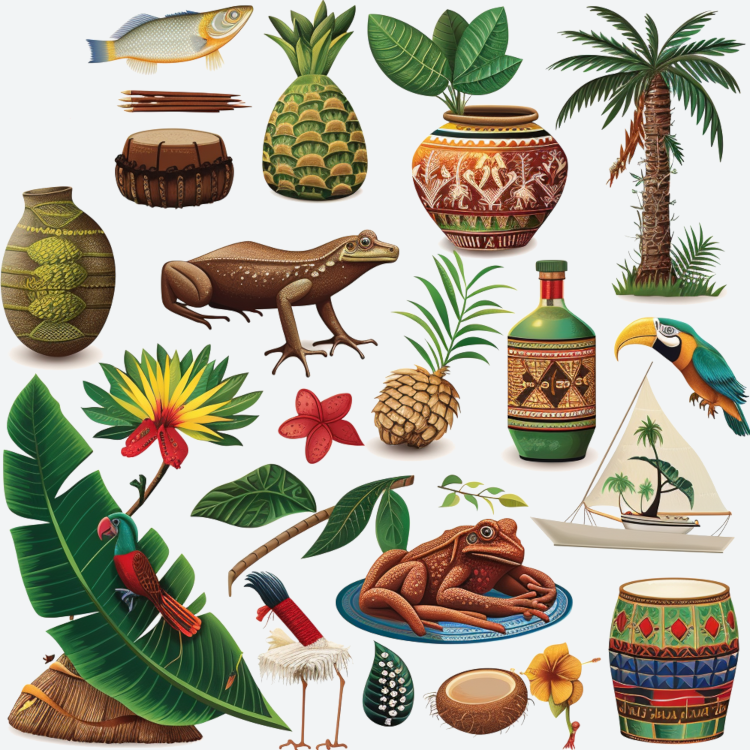
National Items of Equatorial Guinea
Ceiba Tree
The Ceiba Tree (Ceiba pentandra) is the national tree of Equatorial Guinea. It symbolizes strength, longevity, and the natural beauty of the country's lush forests.
Giant Frog (Conraua goliath)
The Giant Frog, also known as the Goliath Frog, is native to Equatorial Guinea and is the largest frog species in the world. It symbolizes the unique biodiversity and rich wildlife of the country.
Malamba
Malamba is a traditional alcoholic beverage made from sugarcane. It symbolizes the rich agricultural heritage and traditional practices of Equatorial Guinea.
Balélé Dance
The Balélé is a traditional dance of the Bubi people, performed during festivals and celebrations. It symbolizes cultural heritage, artistic expression, and social traditions.
Equatoguinean Traditional Dress
Traditional dress in Equatorial Guinea, including colorful and intricately designed garments, symbolizes cultural heritage, identity, and traditional fashion.
Spanish Language
Spanish is the official language of Equatorial Guinea and symbolizes the country's colonial history, cultural influence, and linguistic heritage.
Equatoguinean Cuisine
Dishes such as Sopa de Pescado (fish soup) and Chicken with Peanut Sauce symbolize the rich culinary heritage and the blend of African and Spanish influences in Equatorial Guinean cuisine.
Pangolin
The Pangolin is an endangered species found in Equatorial Guinea. It symbolizes the country's rich wildlife heritage and the importance of conservation efforts.
Annobón Island
Annobón Island, one of the islands that make up Equatorial Guinea, symbolizes the geographical diversity, natural beauty, and unique cultural heritage of the island regions.
Timber
Timber is a significant natural resource in Equatorial Guinea. It symbolizes the economic importance of forestry and the natural resources of the country.
African Grey Parrot
The African Grey Parrot, native to the forests of Equatorial Guinea, symbolizes the rich avian diversity and the natural beauty of the country's ecosystems.
Traditional Music
Traditional music in Equatorial Guinea, characterized by the use of drums and other indigenous instruments, symbolizes cultural heritage, artistic expression, and social traditions.
Mangrove Ecosystems
Mangrove ecosystems in Equatorial Guinea symbolize the country's rich biodiversity, ecological significance, and commitment to environmental conservation.
Bioko Island
Bioko Island, the largest island in Equatorial Guinea, symbolizes the country's natural beauty, biodiversity, and cultural diversity.
Cacao
Cacao is a significant agricultural product in Equatorial Guinea. It symbolizes the agricultural heritage, economic importance, and traditional farming practices.
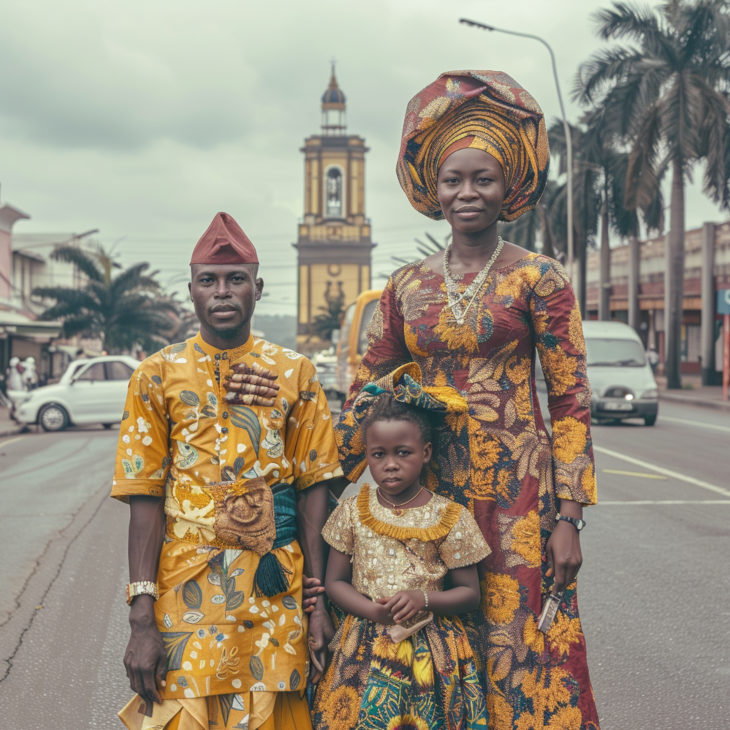
The anthem expresses pride, unity, and aspirations for happiness and progress in Equatorial Guinea.
The national anthem of Equatorial Guinea is called "Caminemos Pisando la Senda" in Spanish, which translates to "Let Us Tread the Path" in English. Here are the lyrics in Spanish along with the translation:
Caminemos pisando la senda
De nuestra inmensa felicidad,
En fraternidad, ¡oh, valientes!,
Cantemos del himno inmortal.
Alzemos la viva canción
De alto mucho más que el cañón
Y al estruendo marcial
De valientes, con brío sin par.
Gritemos con fuerza feliz
Bajo el cielo del claro país
Que las olas del hispano mar
Nuestros pechos en fuego inflamar.
Let us tread the path
Of our immense happiness,
In fraternity, oh, brave ones!
Let us sing the immortal anthem.
Let us raise the lively song
Higher than the cannon
And to the martial roar
Of brave men, with unmatched vigor.
Let us shout with happy force
Under the sky of the clear country
The waves of the Hispanic sea
Inflame our hearts with fire.
We use cookies
We use cookies and other tracking technologies to improve your browsing experience on our website, to show you personalized content and targeted ads, to analyze our website traffic, and to understand where our visitors are coming from. Privacy Policy.






 Back
Back