

 Today: 20 September, Sunday 22:59
in Pyongyang
Today: 20 September, Sunday 22:59
in Pyongyang


Info about North Korea
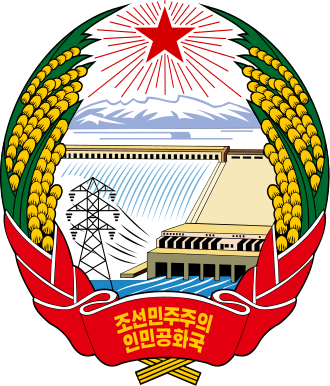
Official Name
Democratic People's Republic of Korea (DPRK), commonly known as North Korea.
Location
North Korea is located in East Asia, occupying the northern portion of the Korean Peninsula. It is bordered by China to the north, Russia to the northeast, and South Korea to the south. To the east, it is bordered by the Sea of Japan (East Sea), and to the west by the Yellow Sea.
Capital
The capital city of North Korea is Pyongyang, which is also the largest city in the country.
Population
As of the latest estimates, North Korea has a population of approximately 25.8 million people.
Area
North Korea covers a total land area of about 120,540 square kilometers (46,540 square miles).
Official Language
The official language of North Korea is Korean.
Government
North Korea is a totalitarian state led by the Workers' Party of Korea (WPK) under the leadership of the Kim dynasty. It is officially led by Kim Jong-un, who holds the titles of Supreme Leader and Chairman of the WPK. The country operates under a single-party system and has a centralized government with strict control over all aspects of life.
Independence
North Korea was established as a separate state from South Korea following the end of World War II and the division of the Korean Peninsula along the 38th parallel. It officially declared independence as the Democratic People's Republic of Korea on September 9, 1948.
Currency
The currency of North Korea is the North Korean won (KPW), although it is not widely used outside the country.
Economy
North Korea has a centrally planned economy with heavy government control and limited market mechanisms. The country faces significant economic challenges, including international sanctions, isolation, and a lack of resources. Despite having some natural resources, North Korea's economy is largely reliant on agriculture, mining, and manufacturing industries.
Military
North Korea maintains one of the largest standing armies in the world, with compulsory military service for both men and women. The country has developed nuclear weapons and has conducted multiple missile tests, leading to international concern and condemnation.
Human Rights
North Korea has been widely criticized for its human rights record, including reports of political repression, forced labor camps, and limitations on freedom of speech and movement. However, access to information about the country's human rights situation is limited due to its closed nature.
International Relations
North Korea's relations with other countries, particularly South Korea, the United States, China, and Russia, are complex and often tense. The country has been subject to various international sanctions and diplomatic efforts aimed at addressing its nuclear program and human rights abuses.
Culture
North Korean culture is heavily influenced by the state ideology of Juche, which emphasizes self-reliance and national independence. The government controls all aspects of cultural expression, including media, arts, and entertainment.
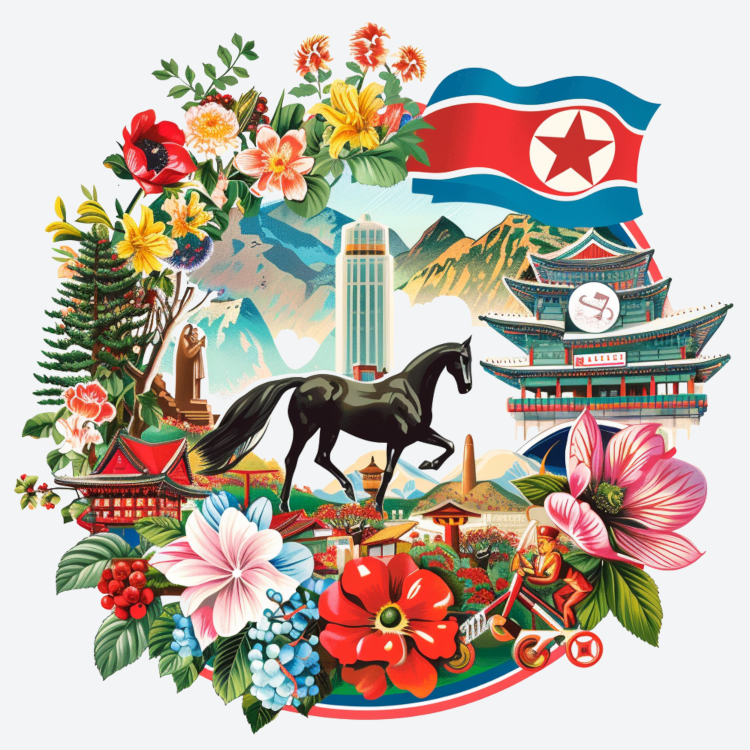
National Items of North Korea
Chollima
The Chollima, a mythical horse that can gallop a thousand miles in a day, is a symbol of North Korea's rapid economic development and industrialization. It represents speed, progress, and resilience.
Magnolia
The Magnolia is the national flower of North Korea. Its beautiful white blossoms symbolize purity, nobility, and the natural beauty of the country.
Pine Tree
The Pine Tree (Pinus) is significant in North Korea. It symbolizes resilience, endurance, and the natural heritage of the country.
Kimjongilia
The Kimjongilia is a flower named after the former leader Kim Jong-il. It symbolizes the reverence and respect for the country's leadership.
Ginseng
Ginseng is an important plant in North Korea, known for its medicinal properties. It symbolizes health, vitality, and the rich agricultural heritage of the country.
T'aedong River
The T'aedong River runs through the capital city, Pyongyang, and is significant to the country's geography and culture. It symbolizes life, prosperity, and the historical importance of the region.
Moranbong Band
The Moranbong Band is a famous all-female music group in North Korea. It represents the country's cultural heritage and the government's emphasis on arts and propaganda.
Korean Demilitarized Zone (DMZ)
The DMZ is a significant geopolitical area that separates North and South Korea. It symbolizes the division, tension, and hope for reunification of the Korean Peninsula.
Kimilsungia
The Kimilsungia is an orchid named after the founding leader Kim Il-sung. It symbolizes the legacy and enduring influence of the country's leadership.
Pyongyang Metro
The Pyongyang Metro is a significant public transportation system in the capital. It symbolizes the country's infrastructure development and the daily life of its citizens.
Traditional Hanbok
The Hanbok is a traditional Korean garment worn during special occasions. It symbolizes the cultural heritage and traditional attire of the Korean people.
Mount Paektu
Mount Paektu is a volcanic mountain on the border between North Korea and China. It is considered a sacred site and symbolizes the historical and mythical origins of the Korean people.
Arirang
Arirang is a traditional Korean folk song and also the name of a mass games event in North Korea. It symbolizes cultural heritage, patriotism, and the artistic traditions of the country.
Mansudae Grand Monument
The Mansudae Grand Monument in Pyongyang features statues of Kim Il-sung and Kim Jong-il. It symbolizes the reverence for the country's leaders and the political ideology of North Korea.
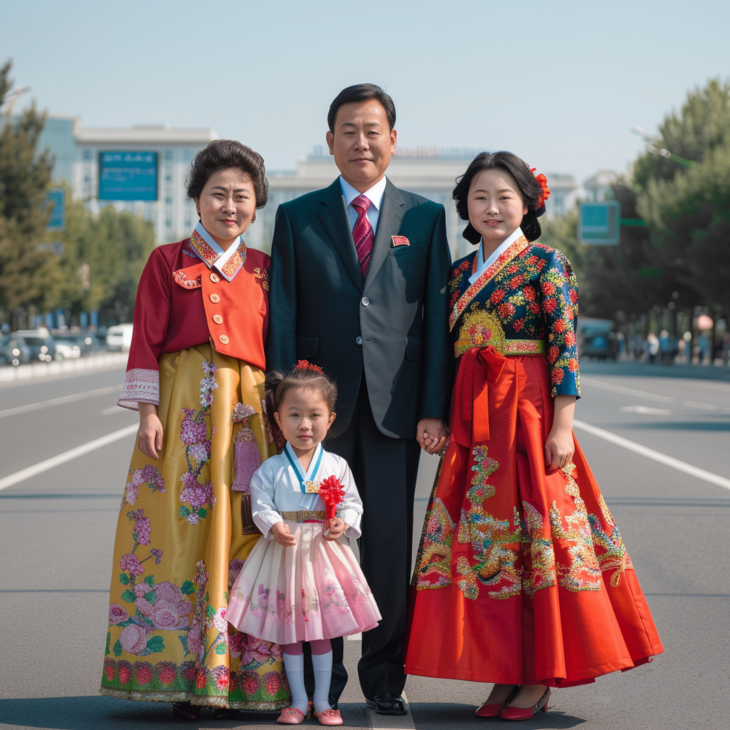
This anthem emphasizes love for the country and loyalty to the ruling party, reflecting the principles of North Korea's state ideology.
The national anthem of North Korea is called "애국가" (Aegukka) in Korean, which translates to "Patriotic Song" or "Song of Love for the Country" in English. Here are the lyrics in Korean along with an English translation:
무궁화 삼천리 화려 강산
대한 사람 대한으로 길이 보전하세
May the thousand miles of our land
Be filled with the fragrance of blossoms,
Let love and loyalty to the party
And the people be eternal!
We use cookies
We use cookies and other tracking technologies to improve your browsing experience on our website, to show you personalized content and targeted ads, to analyze our website traffic, and to understand where our visitors are coming from. Privacy Policy.






 Back
Back