

 Today: 03 August, Monday 11:36
in N'Djamena
Today: 03 August, Monday 11:36
in N'Djamena


Info about Chad
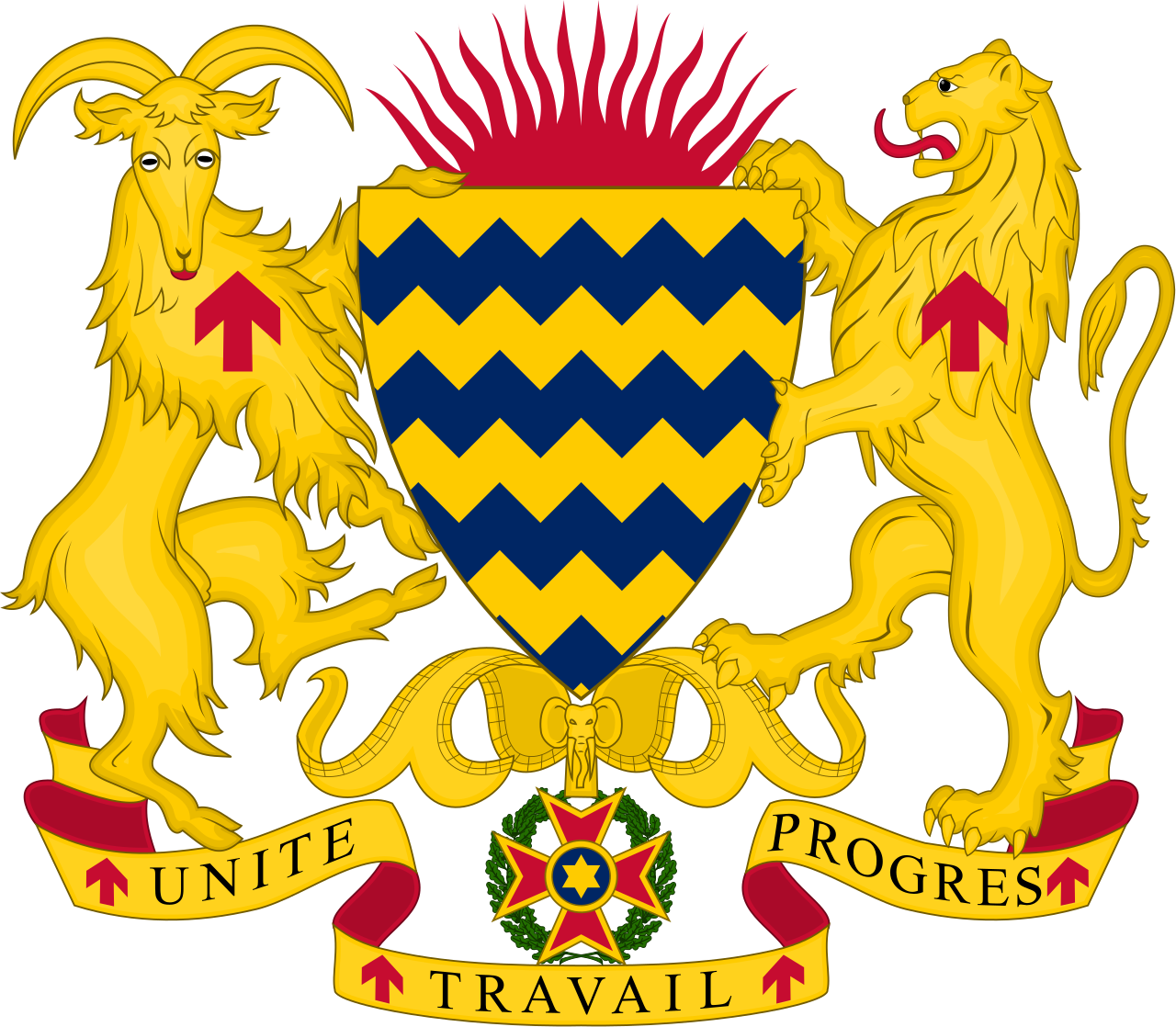
Location
Chad is a landlocked country located in north-central Africa. It is bordered by Libya to the north, Sudan to the east, the Central African Republic to the south, Cameroon and Nigeria to the southwest, and Niger to the west.
Capital
The capital city of Chad is N'Djamena.
Population
As of the latest estimates, Chad has a population of approximately 16 million people.
Area
Chad covers an area of about 1,284,000 square kilometers (495,755 square miles), making it the fifth-largest country in Africa and the 21st-largest in the world.
Official Languages
The official languages of Chad are French and Arabic. However, there are also over 100 indigenous languages spoken throughout the country, with Chadian Arabic being the most widely spoken.
Government
Chad is a presidential republic with a dominant-party system. The President serves as both the head of state and the head of government. The Parliament of Chad is a bicameral body consisting of the National Assembly and the Senate.
Independence
Chad gained independence from France on August 11, 1960.
Currency
The currency of Chad is the Central African CFA franc (XAF).
Economy
Chad's economy is primarily based on agriculture, livestock farming, and oil production. The country has significant petroleum reserves, which account for a large portion of its export earnings. However, Chad faces challenges such as poverty, underdevelopment, and economic instability.
Natural Features
Chad is characterized by diverse landscapes, including the Sahara Desert in the north, the Sahel region in the central part of the country, and the fertile savannas and wetlands in the south. The country is also home to several lakes and rivers, including Lake Chad, which is one of the largest lakes in Africa.
Culture
Chad has a rich cultural heritage influenced by its diverse ethnic groups, which include Arabs, Chadians, and various African ethnicities. Traditional music, dance, and art are important aspects of Chadian culture, with each ethnic group having its unique customs and traditions.
Religion
Islam is the predominant religion in Chad, with the majority of the population adhering to Sunni Islam. There are also Christian and animist minority communities.
Infrastructure
Chad has limited infrastructure compared to other countries in the region, particularly in rural areas. Efforts have been made to improve infrastructure in areas such as transportation, healthcare, education, and telecommunications.
International Relations
Chad is a member of various international organizations, including the United Nations, the African Union, and the Economic Community of Central African States (ECCAS). The country maintains diplomatic relations with countries around the world and is active in regional and international affairs.
Challenges
Chad faces numerous challenges, including poverty, political instability, ethnic tensions, and security threats such as terrorism and armed conflict. Efforts are underway to address these challenges through economic development, social programs, and peacebuilding initiatives.
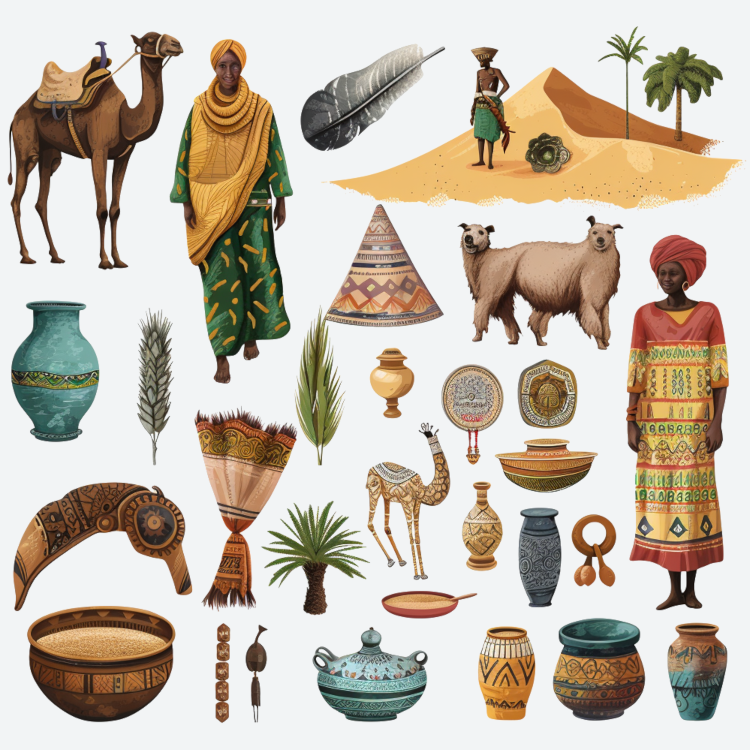
National Items of Chad
Sahara Desert
The Sahara Desert is a significant natural feature in Chad, representing the vast and arid landscape that covers much of the country. It symbolizes resilience and the harsh beauty of the natural environment.
Lake Chad
Lake Chad is one of the most important water bodies in Chad and a vital source of water for the region. It symbolizes sustenance, life, and the environmental challenges faced by the country.
Camel
The camel is an essential animal in Chad, especially in the desert regions. It symbolizes endurance, adaptability, and the traditional nomadic lifestyle.
Chadian Traditional Dress
Traditional Chadian dress, including the flowing robes and turbans worn by men, symbolizes cultural heritage, identity, and adaptation to the harsh climate.
Millet
Millet is a staple crop in Chad, used in many traditional dishes. It symbolizes sustenance, agricultural heritage, and the importance of farming in Chadian society.
Kélo Stones
Kélo Stones are traditional Chadian artworks made from clay. They symbolize the rich artisanal heritage and cultural identity of the country.
Sorghum
Sorghum is another staple crop in Chad, crucial for food security. It symbolizes agricultural practices, sustenance, and the culinary traditions of the country.
Toumai Fossil
The Toumai fossil, discovered in Chad, is one of the oldest known hominid fossils. It symbolizes the country's significant contribution to the understanding of human evolution and ancient history.
Griot (Traditional Storyteller)
Griots in Chad are traditional storytellers and musicians who play a crucial role in preserving oral history and cultural heritage. They symbolize the rich traditions and cultural continuity of the Chadian people.
Sahelian Acacia
The Sahelian Acacia tree is common in Chad and represents the resilience of life in arid conditions. It symbolizes the natural flora and the ecological diversity of the Sahel region.
Chadian Silver Jewelry
Traditional Chadian silver jewelry is known for its intricate designs and craftsmanship. It symbolizes the rich artisanal heritage and cultural identity.
Tibesti Mountains
The Tibesti Mountains in northern Chad are known for their rugged beauty and volcanic origins. They symbolize natural beauty, geological significance, and the cultural heritage of the Toubou people.
N’Djamena
N’Djamena, the capital city of Chad, symbolizes the political, cultural, and economic center of the country.
African Wild Dog
The African Wild Dog, found in Chad's national parks, symbolizes the rich biodiversity and the country's commitment to wildlife conservation.
Traditional Dance and Music
Traditional dance and music in Chad, often performed during festivals and ceremonies, symbolize cultural heritage, artistic expression, and social traditions.
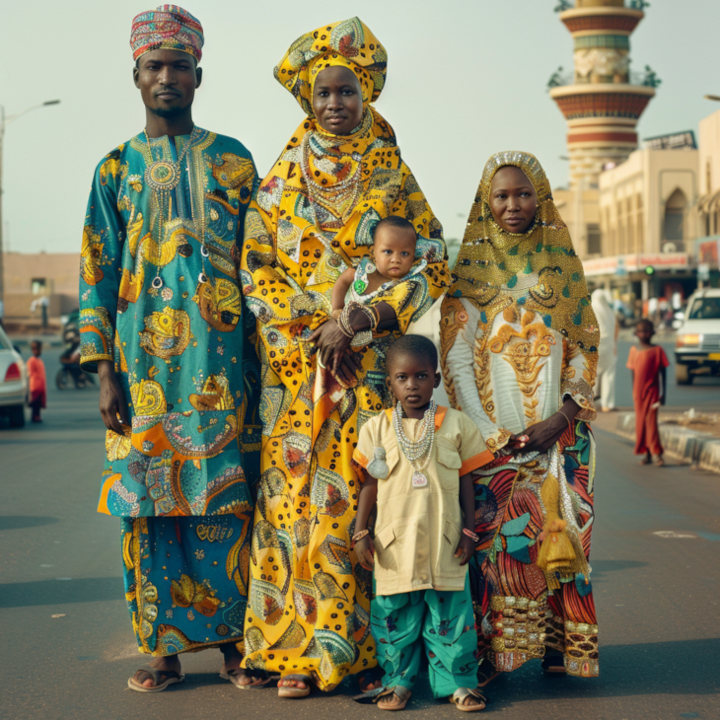
The anthem expresses the unity, courage, and determination of the Chadian people, emphasizing the importance of work, patriotism, and fraternity in building a prosperous and peaceful nation.
The national anthem of Chad is called "La Tchadienne" (The Chadian). Here are the lyrics in the original French language along with an English translation:
Verse 1:
Pour son salut, pour son bonheur
Marchons unis, marchons unis.
Daigne accorder, ô Dieu du ciel
À la Tchadienne, l'unité
Que chacun, au fond de son cœur
Arbore joyeusement
L'immense honneur de servir
La Patrie dans la fraternité
Chorus:
Le travail, la patrie, et la fraternité
Le travail, la patrie, et la fraternité
Verse 2:
O Tchadiens, debout et à l'ouvrage!
Tu as conquis ta terre et ton droit;
Ta liberté naîtra de ton courage.
Lève les yeux, l'avenir est à toi.
Ô mon Pays, que Dieu te prenne en garde,
Que tes voisins admirent tes enfants.
Joyeux, pacifiques, épris de justice,
À jamais croient au sort de leur destin!
Chorus:
Le travail, la patrie, et la fraternité
Le travail, la patrie, et la fraternité
Verse 1:
For its salvation, for its happiness
Let us march united, let us march united.
Deign to grant, O God of heaven
To the Chadian people, unity
May each one, deep in their heart
Joyfully display
The immense honor of serving
The Fatherland in fraternity
Chorus:
Work, Fatherland, and fraternity
Work, Fatherland, and fraternity
Verse 2:
O Chadians, arise and work!
You have conquered your land and your rights;
Your freedom will be born from your courage.
Raise your eyes, the future is yours.
O my Country, may God guard you,
May your neighbors admire your children.
Joyful, peaceful, lovers of justice,
Forever believe in the fate of their destiny!
Chorus:
Work, Fatherland, and fraternity
Work, Fatherland, and fraternity
We use cookies
We use cookies and other tracking technologies to improve your browsing experience on our website, to show you personalized content and targeted ads, to analyze our website traffic, and to understand where our visitors are coming from. Privacy Policy.






 Back
Back