

 Today: 24 October, Saturday 18:57
in Lome
Today: 24 October, Saturday 18:57
in Lome


Info about Togo
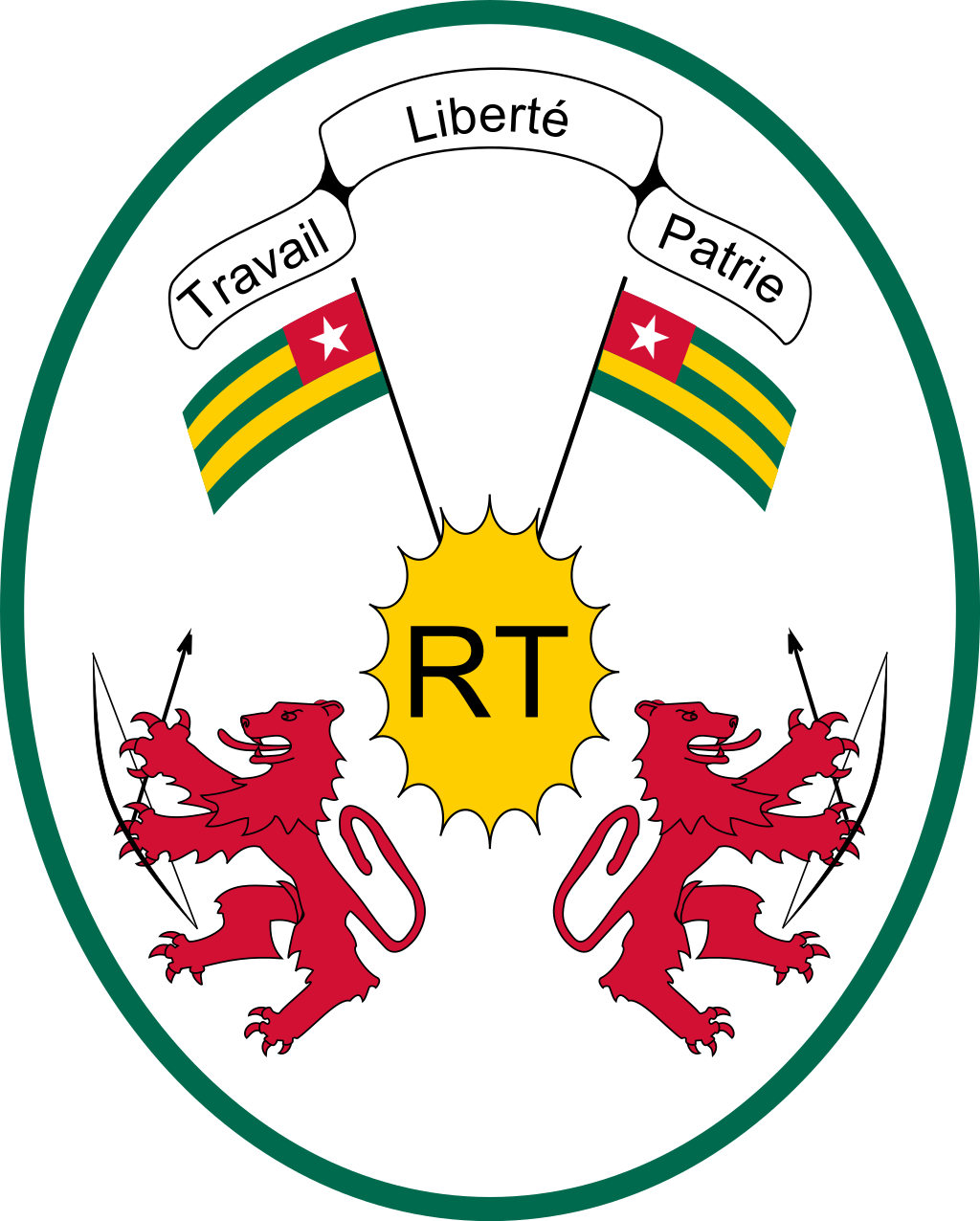
Location
Togo is a country located in West Africa. It is bordered by Ghana to the west, Benin to the east, and Burkina Faso to the north, with a coastline along the Gulf of Guinea to the south.
Capital
The capital city of Togo is Lomé.
Population
As of the latest estimates, Togo has a population of approximately 8.6 million people.
Area
Togo covers an area of about 56,785 square kilometers (21,925 square miles).
Official Language
The official language of Togo is French, which is used in government, education, and business. However, many indigenous languages are also spoken, including Ewe and Kabye.
Government
Togo is a presidential republic with a multi-party political system. The President serves as both the head of state and the head of government. The country's political system has experienced periods of political instability and military rule.
Independence
Togo gained independence from France on April 27, 1960.
Currency
The currency of Togo is the West African CFA franc (XOF).
Economy
Togo's economy is primarily based on agriculture, with key crops including cotton, cocoa, coffee, and yams. The country also has mineral resources such as phosphate, which is a major export. Togo has made efforts to diversify its economy, particularly through investments in infrastructure, trade, and tourism.
Natural Features
Togo has a varied landscape, including coastal plains along the Gulf of Guinea, plateaus, and hills in the central region, and savannas in the north. The country is also home to the Togo Mountains, a subrange of the West African Mountains.
Culture
Togo has a rich cultural heritage influenced by its diverse ethnic groups, including the Ewe, Mina, Kabye, and others. Traditional music, dance, and festivals play an important role in Togolese culture, with drumming and dancing being integral parts of many ceremonies and celebrations.
Religion
Christianity and Islam are the main religions practiced in Togo, with Christianity being the predominant religion. Traditional indigenous beliefs also coexist with these religions, particularly in rural areas.
Infrastructure
Togo has developed infrastructure, including transportation networks, telecommunications, healthcare facilities, and educational institutions. However, access to basic services and infrastructure can vary significantly between urban and rural areas.
International Relations
Togo maintains diplomatic relations with countries around the world and is a member of various international organizations, including the United Nations, the African Union, and the Economic Community of West African States (ECOWAS).
Challenges
Togo faces challenges such as poverty, political instability, and social tensions. Efforts are underway to address these challenges through economic reforms, social programs, and initiatives aimed at promoting peace and stability in the country.
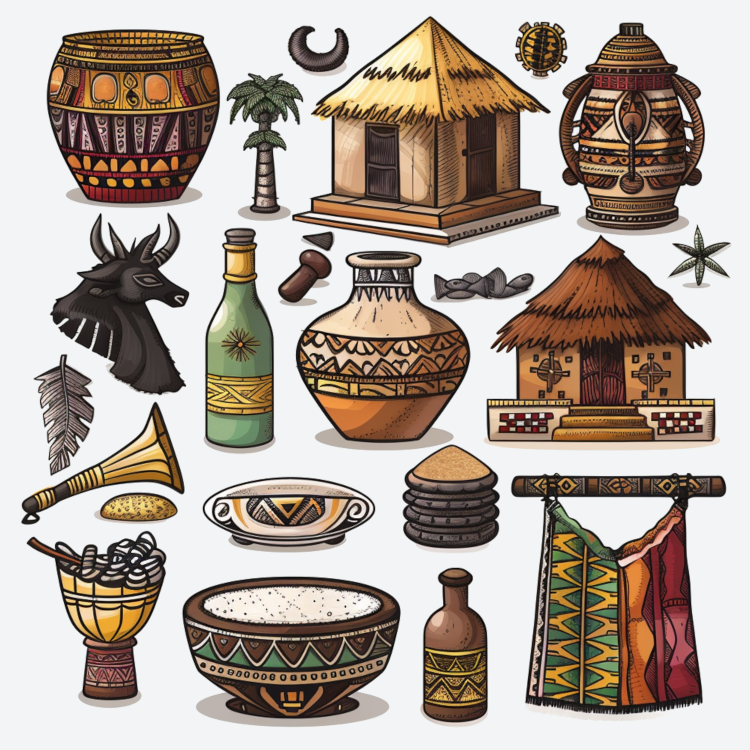
National Items of Togo
Koutammakou
Koutammakou, the Land of the Batammariba, is a UNESCO World Heritage site featuring traditional mud tower houses. It symbolizes Togo's rich cultural heritage, architectural ingenuity, and the traditions of the Batammariba people.
Ewe Kente Cloth
The Ewe people of Togo are renowned for their Kente cloth, a traditional handwoven fabric. It symbolizes cultural heritage, traditional fashion, and artisanal craftsmanship.
Voodoo
Voodoo is a significant religious and cultural practice in Togo, particularly in the southern regions. It symbolizes spiritual heritage, cultural identity, and traditional beliefs.
Mount Agou
Mount Agou is the highest peak in Togo. It symbolizes natural beauty, ecological diversity, and the adventurous spirit of the country.
Akpan
Akpan is a traditional Togolese dish made from fermented maize. It symbolizes the rich culinary heritage and traditional food practices of Togo.
Togolese Coffee
Togo is known for its coffee production, particularly in the Kloto region. It symbolizes agricultural heritage, economic significance, and global trade connections.
Togolese Eba
Eba, made from cassava, is a staple food in Togo. It symbolizes agricultural heritage, sustenance, and traditional cuisine.
Traditional Drums
Traditional Togolese drums, such as the kpalongo and talking drum, symbolize rich musical heritage, cultural expression, and social traditions.
Togo Beach
The beautiful beaches of Togo, particularly around Lomé, symbolize natural beauty, tourism appeal, and coastal heritage.
Togolese Masks
Traditional masks used in Togolese ceremonies symbolize cultural heritage, artistic expression, and traditional rituals.
Palm Wine
Palm wine, a traditional alcoholic beverage made from the sap of palm trees, symbolizes cultural heritage, traditional practices, and social customs.
Kpalimé
Kpalimé is a town known for its artistic community and scenic landscapes. It symbolizes cultural richness, artistic heritage, and natural beauty.
Gari
Gari, a granular flour made from cassava, is a staple in Togolese cuisine. It symbolizes agricultural heritage, sustenance, and culinary traditions.
Yam Festival
The Yam Festival is a significant celebration in Togo, particularly among the Ewe people. It symbolizes agricultural heritage, cultural traditions, and community spirit.
Togolese Handicrafts
Traditional Togolese handicrafts, such as beadwork and pottery, symbolize rich artisanal heritage, cultural identity, and craftsmanship.
Keran National Park
Keran National Park is one of the major national parks in Togo. It symbolizes biodiversity, natural beauty, and conservation efforts.
Fufu
Fufu, a dough-like food made from cassava or yams, is a staple in Togolese cuisine. It symbolizes the rich culinary heritage and traditional food practices.
Togolese Textile Weaving
Textile weaving, particularly by the Kabye people, symbolizes cultural heritage, traditional craftsmanship, and artistic expression.
Vogan Market
The Vogan Market is one of the largest traditional markets in Togo. It symbolizes economic activity, cultural diversity, and social interaction.
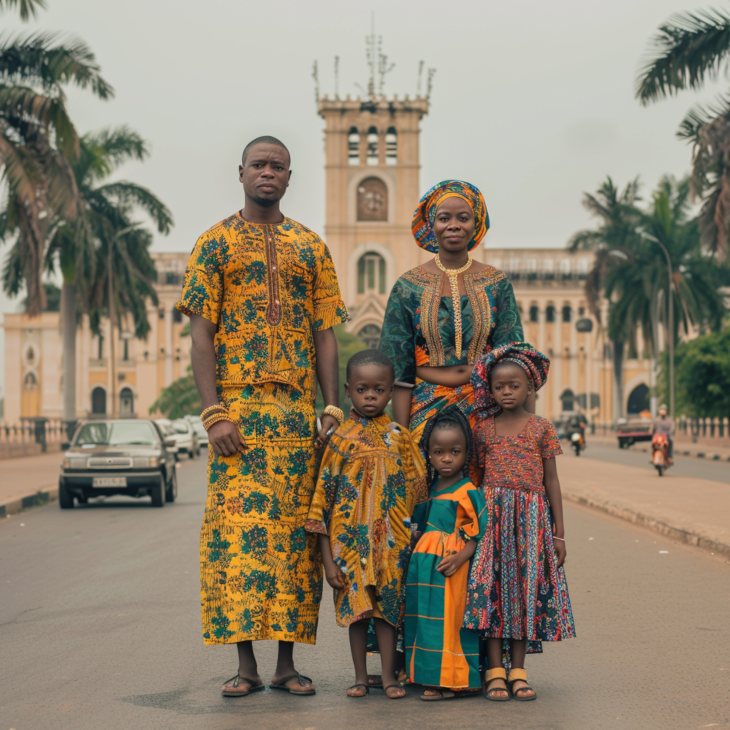
The anthem expresses pride in Togolese heritage and calls for unity, strength, and dignity in the face of challenges. It celebrates the virtues of peace, mutualism, and patriotism while honoring the achievements of the country's ancestors.
The national anthem of Togo is called "Salut à toi, pays de nos aïeux" (Greetings to thee, land of our forefathers). Here are the lyrics in the original French language along with an English translation:
Salut à toi, pays de nos aïeux,
Toi qui les rendait forts,
Paisible et joyeux,
Cultivant vertu, vaillance
Pour la postérité.
Salut, salut à toi!
Refrain:
Togo, debout, luttons sans défaillance,
Vainquons ou mourons, mais dans la dignité.
Grand Dieu, toi seul nous a exaltés,
Des plus vieux aux plus jeunes,
Que tous, dans l'amitié,
Conduisent nos pas.
De l'Est à l'Ouest, du Nord au Sud,
Fais fructifier la paix
Et le mutualisme.
Et que les joyeux accents
Du tocsin patriotique
Rendent témoignage
Aux exploits des aïeux
Qui, d'un cœur joyeux,
Ont su tous nous rendre
Plus forts.
Greetings to thee, land of our forefathers,
Thou who didst make them strong,
Peaceful and joyous,
Cultivating virtue, valour
For posterity.
Greetings, greetings to thee!
Refrain:
Togo, arise, let us struggle without faltering,
Victory or death, but with dignity.
Great God, Thou alone hast raised us,
From the oldest to the youngest,
May all, in friendship,
Guide our steps.
From East to West, from North to South,
Make peace and mutualism flourish.
And may the joyful tones
Of the patriotic alarm bell
Bear witness
To the exploits of our forefathers
Who, with joyous hearts,
Knew how to make us all
Stronger.
We use cookies
We use cookies and other tracking technologies to improve your browsing experience on our website, to show you personalized content and targeted ads, to analyze our website traffic, and to understand where our visitors are coming from. Privacy Policy.






 Back
Back