

 Today: 23 October, Friday 02:55
in Lusaka
Today: 23 October, Friday 02:55
in Lusaka


Info about Zambia
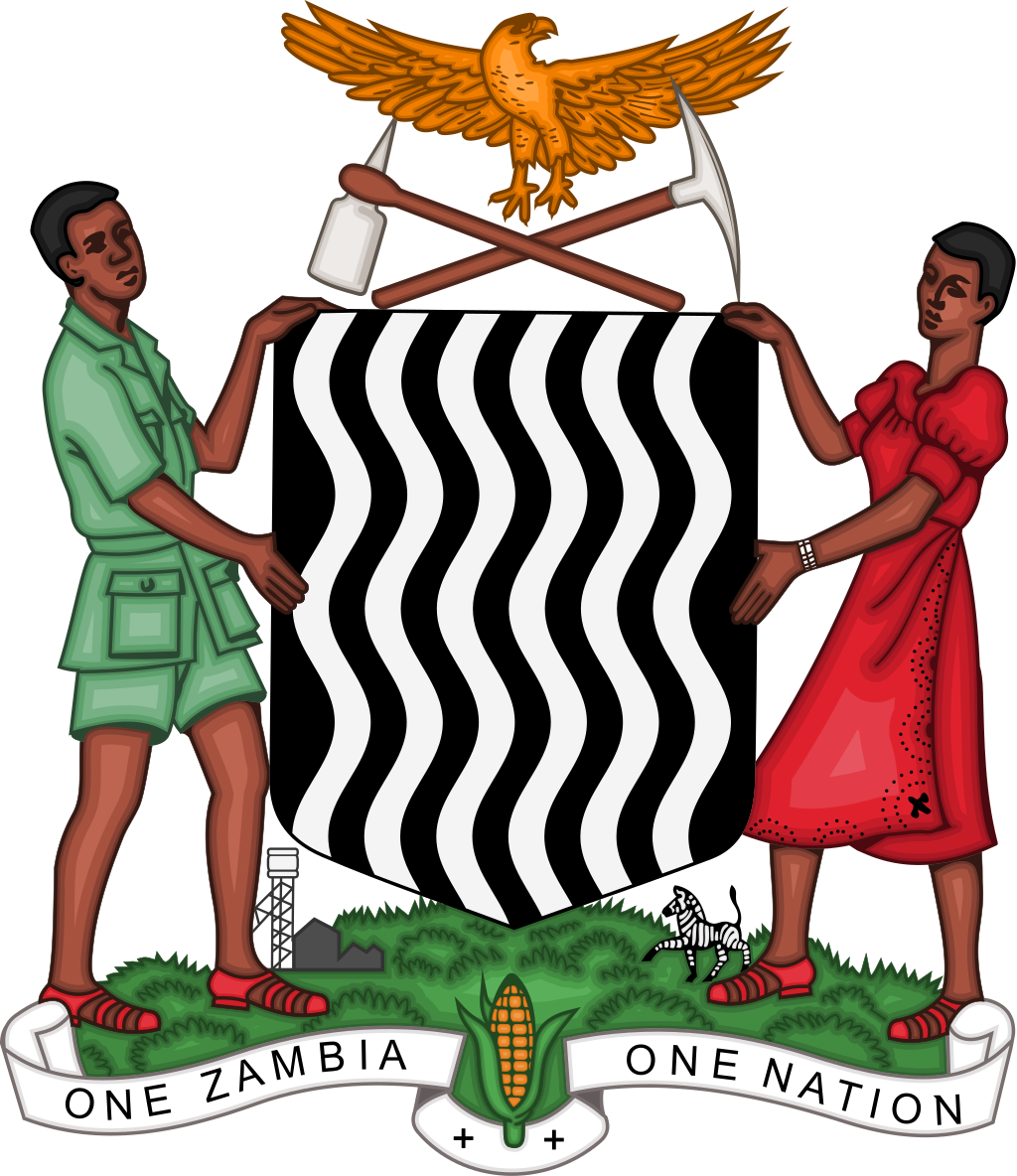
Capital
The capital and largest city of Zambia is Lusaka.
Population
As of the latest estimates, Zambia has a population of approximately 18.4 million people.
Area
Zambia covers an area of about 752,618 square kilometers (290,587 square miles), making it the 39th largest country in the world.
Official Language
The official language of Zambia is English. However, there are over 70 indigenous languages spoken in the country, with Bemba, Nyanja, Tonga, and Lozi being some of the most widely spoken.
Government
Zambia is a republic with a multi-party democracy. The President serves as both head of state and government and is elected for a five-year term. The National Assembly is the legislative body of Zambia.
Independence
Zambia gained independence from the United Kingdom on October 24, 1964.
Currency
The currency of Zambia is the Zambian kwacha (ZMW).
Economy
Zambia's economy is largely dependent on copper mining, which is the country's main export. Agriculture, including crops such as maize, tobacco, and sugarcane, also plays a significant role in the economy. Zambia has been working to diversify its economy and attract investment in sectors such as tourism and renewable energy.
Natural Features
Zambia is known for its diverse landscapes, including the Zambezi River, Victoria Falls (shared with Zimbabwe), national parks, and game reserves. These areas provide habitat for a wide variety of wildlife, making Zambia a popular destination for safari tourism.
Wildlife
Zambia is home to diverse wildlife, including elephants, lions, leopards, rhinos, and numerous bird species. Conservation efforts are ongoing to protect and preserve the country's natural heritage.
Culture
Zambia has a rich cultural heritage, with various ethnic groups each contributing to the country's cultural diversity. Traditional music, dance, art, and ceremonies play significant roles in Zambian culture, reflecting the country's history and traditions.
Challenges
Zambia faces challenges such as poverty, unemployment, inadequate infrastructure, and environmental issues such as deforestation and pollution. Efforts to address these challenges are ongoing, both domestically and through international partnerships.
Tourism
Zambia's natural attractions, including national parks, wildlife reserves, and Victoria Falls, make it a popular tourist destination. Activities such as safari tours, river cruises, and adventure sports attract visitors from around the world, contributing to the country's economy.
Infrastructure
Zambia has been investing in infrastructure development, including transportation, energy, telecommunications, and water supply, to support economic growth and improve living standards for its population.
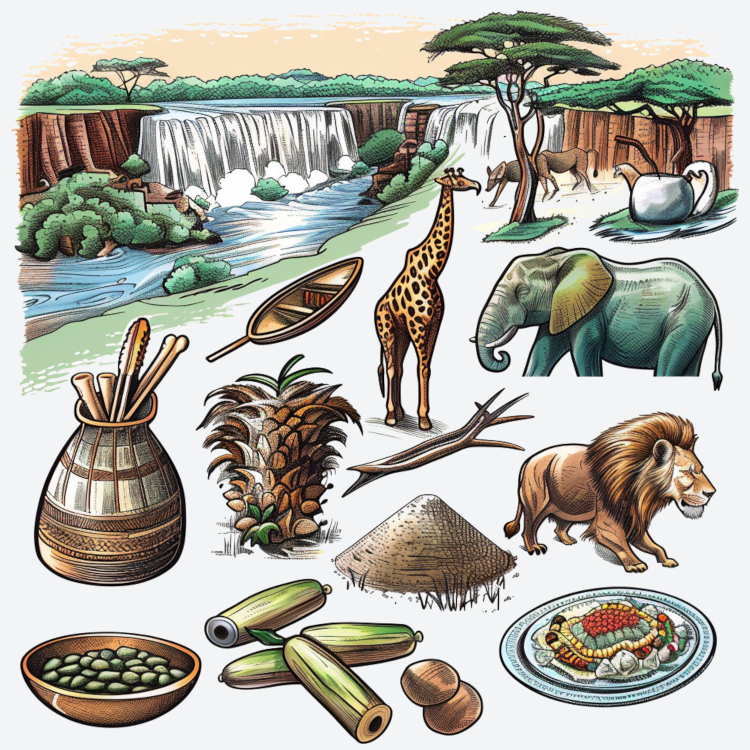
National Items of Zambia
Victoria Falls
Victoria Falls, one of the largest and most famous waterfalls in the world, is located on the Zambezi River at the border of Zambia and Zimbabwe. It symbolizes natural beauty, tourism appeal, and Zambia's rich natural heritage.
Zambezi River
The Zambezi River is the fourth-longest in Africa and flows through Zambia. It symbolizes natural resources, sustenance, and the country's rich biodiversity.
Copper
Zambia is one of the world's largest producers of copper. Copper symbolizes the country's mineral wealth, economic significance, and industrial heritage.
Kafue National Park
Kafue National Park is one of the largest national parks in Africa. It symbolizes biodiversity, wildlife conservation, and natural beauty.
African Fish Eagle
The African Fish Eagle is the national bird of Zambia. It symbolizes freedom, strength, and national pride.
Nshima
Nshima is a staple food in Zambia made from maize flour. It symbolizes agricultural heritage, sustenance, and traditional cuisine.
Lozi Canoe
The Lozi people are known for their traditional canoes, used especially during the Kuomboka festival. It symbolizes cultural heritage, traditional craftsmanship, and the importance of waterways.
Makishi Masks
Makishi masks are used in traditional ceremonies by the Lunda and Luvale people. They symbolize cultural heritage, artistic expression, and social traditions.
Kuomboka Festival
The Kuomboka Festival is an annual event celebrated by the Lozi people. It symbolizes cultural heritage, community spirit, and traditional customs.
Chitenge Fabric
Chitenge is a colorful fabric worn by Zambian women. It symbolizes cultural identity, traditional fashion, and social communication through printed messages.
Tonga Baskets
Tonga baskets, made by the Tonga people, symbolize rich artisanal heritage, cultural identity, and craftsmanship.
Zambian Emeralds
Zambia is known for its high-quality emeralds. They symbolize the country's mineral wealth, natural beauty, and global trade connections.
Mosi-oa-Tunya National Park
Mosi-oa-Tunya National Park, home to Victoria Falls, symbolizes biodiversity, natural beauty, and conservation efforts.
Traditional Dance
Traditional Zambian dances, such as the Makishi and Likumbi Lya Mize, symbolize rich cultural heritage, artistic expression, and social traditions.
Chikankata
Chikankata, a traditional Zambian healer, symbolizes cultural heritage, traditional medicine, and spiritual practices.
Zambian Music
Zambian music, featuring instruments like the kalimba and drums, symbolizes rich musical heritage, cultural expression, and artistic traditions.
Barotse Floodplain
The Barotse Floodplain is a key geographical feature in Zambia, symbolizing natural beauty, agricultural productivity, and traditional lifestyles.
Zambian Wildlife
The diverse wildlife of Zambia, including elephants, lions, and leopards, symbolizes the country's rich biodiversity and commitment to conservation.
Mafwe People
The Mafwe people, known for their unique cultural practices and traditional ceremonies, symbolize Zambia's cultural diversity and heritage.
An example of a hymn in Bemba, one of the indigenous languages spoken in Zambia, along with its English translation:
1. Lesa wandi we lelo
Lesa wandi wawama
Pakumfwa atumpa
Twakula mu ntima
Lesa wandi we lelo
Lesa wandi wawama
Pakumfwa atumpa
Twakula mu ntima
2. Lesa wandi we lelo
Lesa wandi wawama
Pakumfwa atumpa
Twakula mu ntima
Lesa wandi we lelo
Lesa wandi wawama
Pakumfwa atumpa
Twakula mu ntima
1. My God today
My God is great
Upon hearing His name
We rejoice in our hearts
My God today
My God is great
Upon hearing His name
We rejoice in our hearts
2. My God today
My God is great
Upon hearing His name
We rejoice in our hearts
My God today
My God is great
Upon hearing His name
We rejoice in our hearts
We use cookies
We use cookies and other tracking technologies to improve your browsing experience on our website, to show you personalized content and targeted ads, to analyze our website traffic, and to understand where our visitors are coming from. Privacy Policy.






 Back
Back